Ingredient Deep Dive · Citrus
Bergamot — The Most Indispensable Note in Perfumery
The small citrus fruit from Calabria that appears in more fragrances than any other single ingredient — and why that makes perfect sense.
If you’ve ever worn a cologne, a chypre, or a classic masculine fragrance, you’ve worn bergamot. This extraordinary citrus — a cross between a bitter orange and a lemon, grown almost exclusively along the Calabrian coast of southern Italy — is the single most widely used top note in fine perfumery. Yet most people who wear it every day couldn’t name it. Here’s everything you need to know about the ingredient that starts almost every great fragrance.
What Is Bergamot?
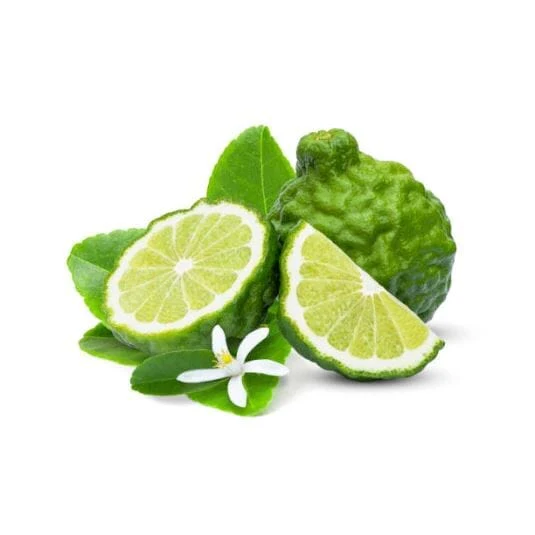
Bergamot (Citrus bergamia) is a pear-shaped citrus fruit that grows best in the narrow coastal strip around Reggio Calabria in southern Italy. The fruit itself is inedible — too bitter and sour — but the rind contains one of the most prized aromatic substances in perfumery. Bergamot essential oil is extracted by cold-pressing the rind, which preserves its full aromatic complexity.
You may know bergamot from Earl Grey tea, where it provides that distinctive floral-citrus character. In perfumery, it works similarly — adding brightness, lift, and a sophisticated quality that neither lemon nor orange can quite replicate.
What Does Bergamot Smell Like?
Bergamot is simultaneously citrus, floral, slightly spicy, and faintly green — a complexity that no other citrus achieves. It has a luminous, sparkling quality on first contact with the skin, followed by a brief floral phase as the lighter molecules evaporate, leaving a subtle, slightly bitter green note.
This layered character is exactly why perfumers love it. A fresh lemon note is bright but linear — it just smells like lemon. Bergamot tells a small story in the first thirty minutes it’s on your skin.
Why Bergamot Appears in Almost Every Fragrance
The ingredient has two qualities that make it nearly indispensable. First, it blends. Bergamot is one of the most universally compatible notes in all of perfumery — it works with woods, florals, orientals, musks, and resins without conflict. Second, it creates sillage. The volatile molecules in bergamot create an immediate aura around the wearer that encourages the rest of the fragrance to project, acting as a natural diffusion agent.
The classical chypre accord — one of the most celebrated constructions in perfumery — would not exist without bergamot. Neither would fougère, the backbone of masculine perfumery for over a century. Both these foundational families are built on a bergamot-led top note that establishes the character before the heart and base emerge.
Famous Fragrances Built Around Bergamot
Acqua di Gio (Giorgio Armani) — bergamot paired with aquatic notes and cedarwood, one of the best-selling fragrances of all time. Chanel No. 5 — bergamot in the top, providing the sparkling opening before the aldehydic floral heart. Dior Sauvage — bergamot and ambroxan, the most discussed modern masculine fragrance. Tom Ford Earl Grey & Cucumber — bergamot celebrated as the central character rather than just a supporting note.
Bergamot and Photosensitivity
Natural bergamot oil contains bergapten (also called psoralen), a compound that causes photosensitivity — meaning it can cause skin darkening or burning when exposed to sunlight. This is why most modern fragrance formulas use bergapten-free bergamot, also called FCF (furanocoumarin-free) bergamot.
If you apply fragrances with significant bergamot content before sun exposure, always check whether the formula uses FCF bergamot, or apply to areas that won’t be exposed to direct sunlight.
Questions & Answers
Is bergamot the same as lemon in perfumery?
No — they’re related but distinct. Lemon is brighter, sharper, and more linear. Bergamot is rounder, more floral, slightly bitter-green, and significantly more complex. Bergamot also blends more gracefully with other ingredients, which is why it’s used so much more frequently in fine perfumery than lemon.
Why does bergamot fade so quickly on my skin?
All citrus notes are highly volatile — they evaporate quickly by nature. Bergamot typically lasts 15 to 30 minutes as a prominent note before fading into the background. This is by design: it’s there to create an opening impression and a bridge into the heart notes, not to last all day. If you want bergamot presence throughout the day, layering a bergamot oil under your spray will significantly extend it.
What’s the difference between bergamot in tea and bergamot in perfume?
The same ingredient — bergamot essential oil — is used in both Earl Grey tea and fine fragrance. In tea, it’s sprayed onto the leaves during processing. In perfumery, it’s dissolved in alcohol. The scent profile is identical, which is why Earl Grey tea is often used as an entry point for people learning to identify bergamot in fragrances.
Explore More
Discover How Bergamot Pairs With Other Notes
Read our full layering guides and fragrance combination series at The Perfume Librairie.
Visit The Perfume Librairie