Ingredient Deep Dive · Oud
Oud — The Liquid Gold of Perfumery
Everything you need to know about the world’s most precious fragrance ingredient — its origins, its scent profiles, and how to wear it.
No ingredient in perfumery commands more reverence — or a higher price — than oud. Also known as agarwood, oud oil, or liquid gold, this extraordinary resinous material has been used in incense and perfume for over 3,000 years. Today, it’s one of the most coveted ingredients in both niche and luxury fragrance.
What Exactly Is Oud?
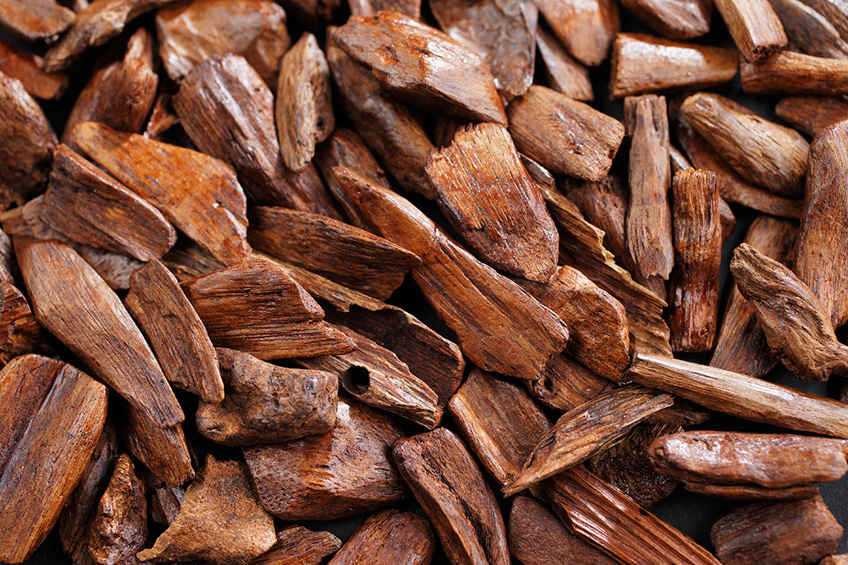
Oud comes from the heartwood of Aquilaria trees, native to Southeast Asia and South Asia. When the tree is infected by a specific mold, it responds by producing a dense, aromatic resin called agarwood. Only about 2% of wild Aquilaria trees produce agarwood naturally — which is why the raw material is extraordinarily valuable.
Oud oil is extracted from this resinous wood through steam distillation. The finest quality oud oil can sell for more per ounce than gold.
Oud by Region
Oud has no single smell — it’s one of the most complex and variable fragrance materials in existence. The scent profile depends on the species of Aquilaria tree, the geographic origin, the age of the wood, and the extraction method.
Oud in Western Perfumery
Oud has been central to Middle Eastern perfumery for millennia — it’s considered an essential element of luxury and hospitality across the Gulf states, Saudi Arabia, and the Levant. In traditional usage, pure oud chips are burned over charcoal to perfume the home, garments, and hair.
Western perfumery discovered oud commercially in the late 1990s and early 2000s, and the trend exploded through the 2010s. Today, nearly every major luxury house has an oud line. The ingredient has become a global signifier of luxury, exoticism, and sophistication.
Natural vs. Synthetic Oud
Given the extraordinary cost and limited supply of natural oud, the fragrance industry has developed numerous synthetic agarwood materials. Synthetic oud offers consistency, lower cost, and sustainability — but it cannot fully replicate the depth and complexity of the genuine material. High-end niche houses often blend both: a base of natural oud for authenticity, supplemented by synthetics for longevity.
How to Wear Oud
Oud is a base note ingredient that works best applied to pulse points where body heat activates its complexity. Unlike lighter fresh fragrances, oud should not be overapplied — one to two sprays is often sufficient for a full day of presence.
Because oud is so persistent, it’s also excellent for hair and fabric application, where it can last for days.
Questions & Answers
Why is oud so expensive?
Three reasons: scarcity (only ~2% of wild Aquilaria trees produce agarwood), the labor-intensive harvesting and extraction process, and the enormous demand from both the Middle Eastern and global luxury markets. Wild oud is also subject to international trade restrictions due to conservation concerns.
What fragrances use real oud?
Most mainstream fragrances labeled “oud” use synthetic agarwood materials rather than real oud oil due to cost. Genuine natural oud is primarily found in high-end niche and luxury fragrances, typically at price points above $200 per bottle. Middle Eastern fragrance houses like Amouage, Abdul Samad Al Qurashi, and Asghar Ali are known for using significant quantities of natural oud.
Go Deeper
Explore Oud’s Full Profile in the Atlas
Map oud’s regional variants, pairing combinations, and family relationships in The Perfume Librairie’s interactive olfactory atlas.
Open the Atlas