Fragrance Education · Foundations
The 7 Olfactory Families Explained
A complete guide to the classification system every fragrance lover should know — from floral to gourmand.
Have you ever wondered why some perfumes feel warm and spicy while others are cool and aquatic? The answer lies in olfactory families — the foundational classification system that every perfumer and fragrance enthusiast should know. Understanding the seven major scent families will change the way you smell the world.
What Is an Olfactory Family?
An olfactory family (also called a fragrance family or scent family) is a group of perfumes that share similar aromatic characteristics. The concept was popularized by the French Society of Perfumers, which introduced the Fragrance Wheel in 1983. Today, comprehensive classification systems recognize up to 14 families and dozens of sub-families.
Think of it like musical genres: just as rock and classical both use instruments, all perfumes use aromatic materials — but the combination and character make each family distinct.
The 7 Major Olfactory Families
1. Floral
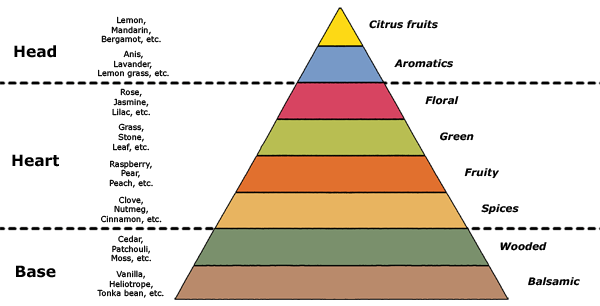
The largest and most popular fragrance family, floral perfumes center on the scent of flowers — real or imagined. Sub-categories include soliflore (a single flower), floral bouquet (multiple blooms), and white floral (heady, narcotic flowers like tuberose and gardenia).
2. Oriental
Rich, warm, and sensual, oriental fragrances are built around exotic resins, spices, and animalic materials. They tend to be long-lasting and make a powerful impression. Modern orientals often include gourmand elements like vanilla and caramel.
3. Woody
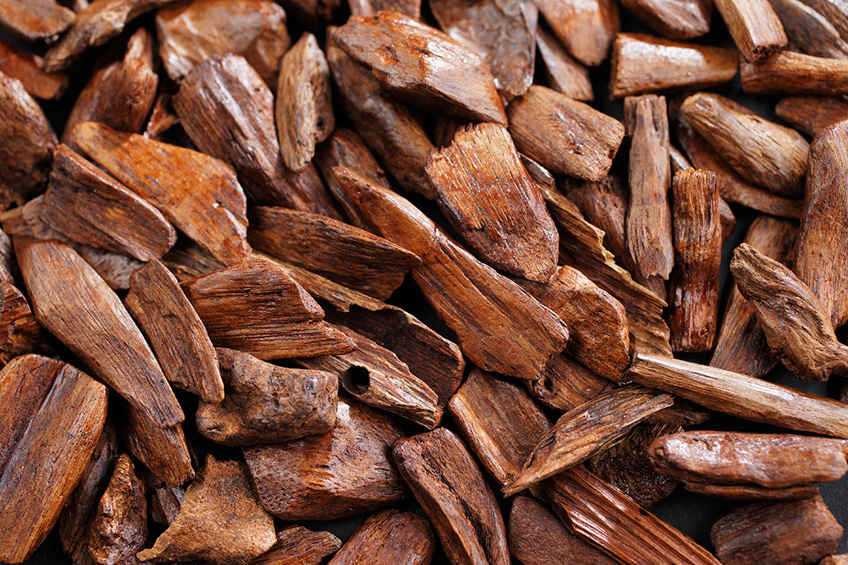
Grounded and sophisticated, woody fragrances draw from materials like sandalwood, cedarwood, and patchouli. This family is increasingly popular in niche perfumery, especially with the rising prestige of oud — the liquid gold of the fragrance world.
4. Fresh
Clean, energizing, and light, fresh fragrances encompass citrus, aquatic, and green sub-families. Citrus colognes have been worn since the 18th century, while aquatic scents burst onto the scene with Davidoff Cool Water in 1988.
5. Fougère
Named after the French word for “fern,” fougère is a constructed accord rather than a natural material. It typically combines lavender, oakmoss, and coumarin. Fougère is the backbone of classic masculine perfumery.
6. Chypre
One of the most elegant and intellectually complex fragrance families, chypre (pronounced “sheep-ruh”) is built on a classical accord of bergamot, labdanum, and oakmoss. The family is named after the island of Cyprus.
7. Gourmand
The youngest major family, gourmand fragrances smell edible — like dessert in a bottle. Born with Thierry Mugler’s Angel in 1992, this category has exploded in mainstream and niche perfumery alike.
Why Knowing Your Olfactory Family Matters
Understanding fragrance families helps you shop smarter, communicate better with perfumers and fragrance consultants, and build a more intentional scent wardrobe. Instead of saying “I want something that smells good,” you can say: “I’m looking for a woody oriental with oud and incense.”
Questions & Answers
How many fragrance families are there?
The most widely used systems recognize 7 to 14 families. The 7 covered here represent the major categories. Many systems add sub-families — for example, Fresh is often divided into Citrus, Aquatic, and Green; Oriental into Soft Oriental and Oriental Woody.
Can a fragrance belong to more than one family?
Yes — many modern fragrances are hybrids. A floral oriental, for example, combines floral heart notes with an oriental base. Fragrance classification is a guide for navigation, not a rigid taxonomy.
Which family is best for beginners?
Fresh and light floral fragrances are generally considered the most approachable starting points. They’re universally wearable, season-appropriate, and rarely cause olfactory fatigue. From there, most enthusiasts explore woody and oriental families as their palate develops.
Go Deeper
Explore Every Family Interactively
Navigate olfactory families, note profiles, and accord combinations in The Perfume Librairie’s interactive atlas.
Open the Atlas